
Panelist
Ettore Aldrovandi
Florida State University
Professor and chair at FSU, working in algebraic geometry, homotopy theory, category theory, and formalized mathematics.
Profile →Past online panel discussion · Recording available
AI, Research, and the Next Generation — a conversation about how artificial intelligence is changing mathematical discovery, verification, training, and careers.
Why this conversation now
Artificial intelligence is beginning to change how mathematics is discovered, verified, taught, and communicated.
As AI systems become more capable at problem-solving, proof assistance, computation, and exposition, the mathematical community faces urgent questions about the future of research and training.
This panel brings together researchers with perspectives spanning formal mathematics, machine learning, optimization, the mathematics of data, proof assistants, computer-assisted proofs, number theory, geometry, and mathematical communication. The discussion is especially motivated by questions raised by graduate students and early-career mathematicians.
The event was organized and moderated by Martin Bauer at Florida State University. A recording of the panel is now available on YouTube.
The panel
Panelist
Florida State University
Professor and chair at FSU, working in algebraic geometry, homotopy theory, category theory, and formalized mathematics.
Profile →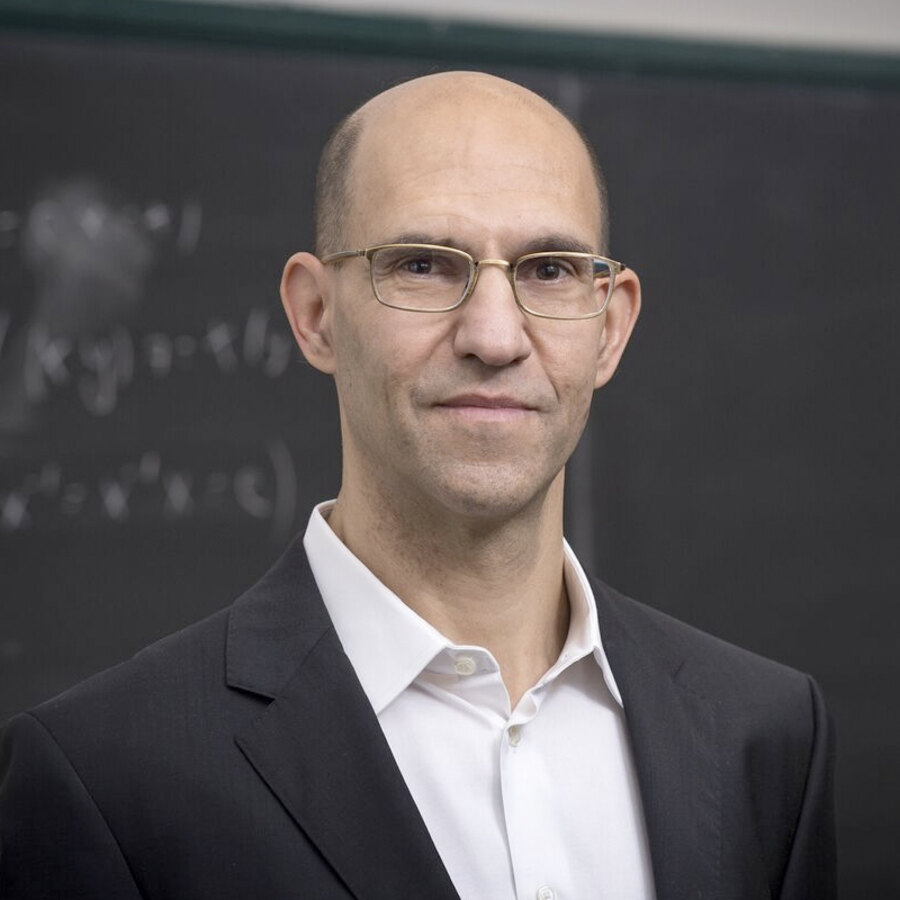
Panelist
Carnegie Mellon University
Professor at CMU and director of centers for formal mathematics and computer-aided reasoning; he studies formal methods and AI for mathematics.
Profile →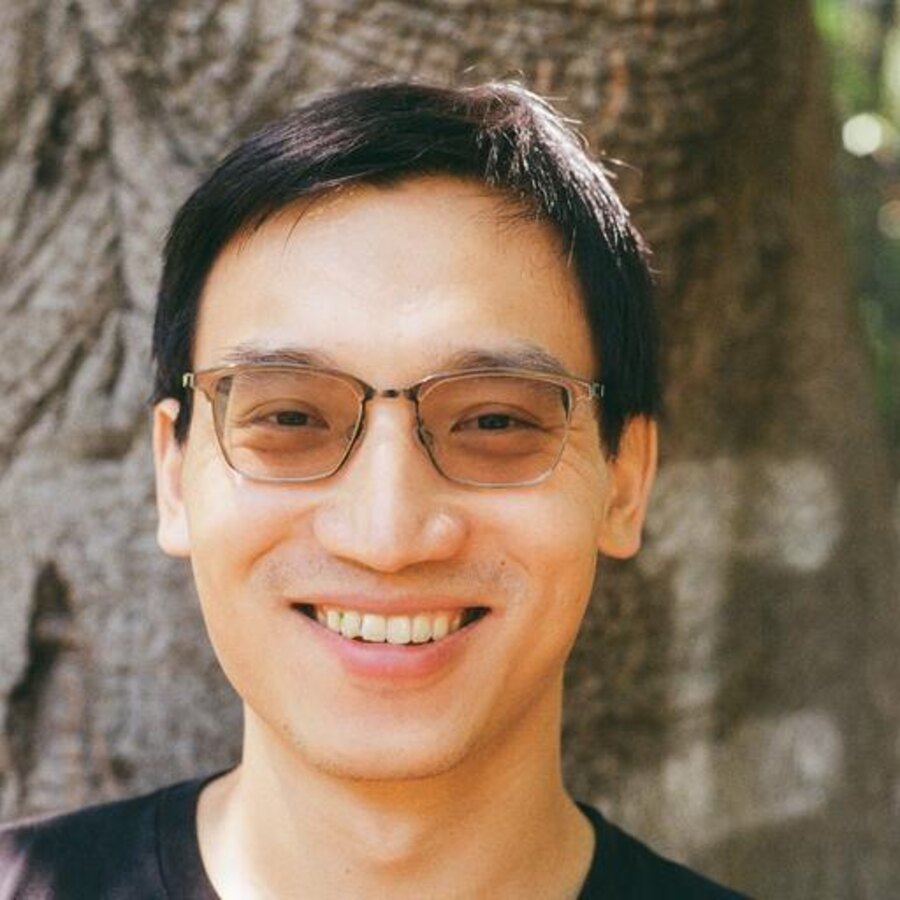
Panelist
University of California, Berkeley
Associate Professor at Berkeley working in number theory, arithmetic geometry, the Langlands program, topology, and representation theory.
Profile →
Panelist
The University of Texas at Austin
Professor at UT Austin working in the mathematics of data, optimization, sparse approximation, numerical linear algebra, and machine learning.
Profile →
Panelist
Brown University
Professor at Brown working across machine learning, analysis, PDEs, fluid mechanics, numerical computation, and rigorous computer-assisted proof.
Profile →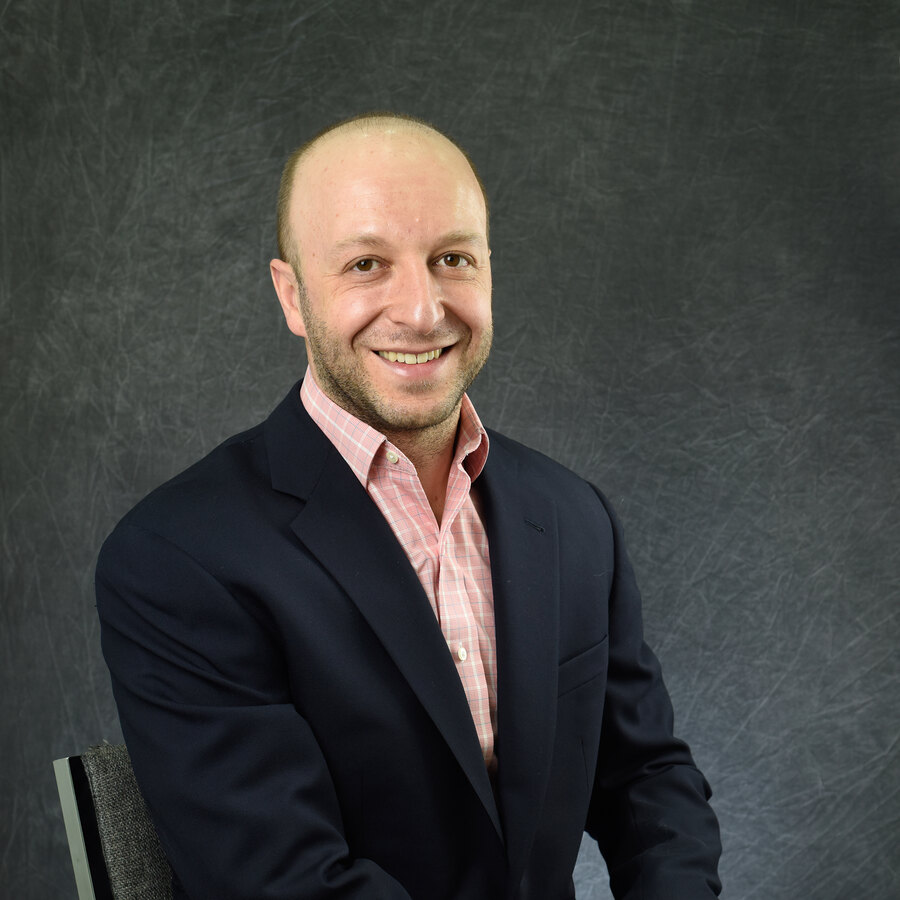
Panelist
Rutgers University
Distinguished Professor and chair at Rutgers, working in number theory, dynamics, mathematical communication, and neuro-symbolic AI.
Profile →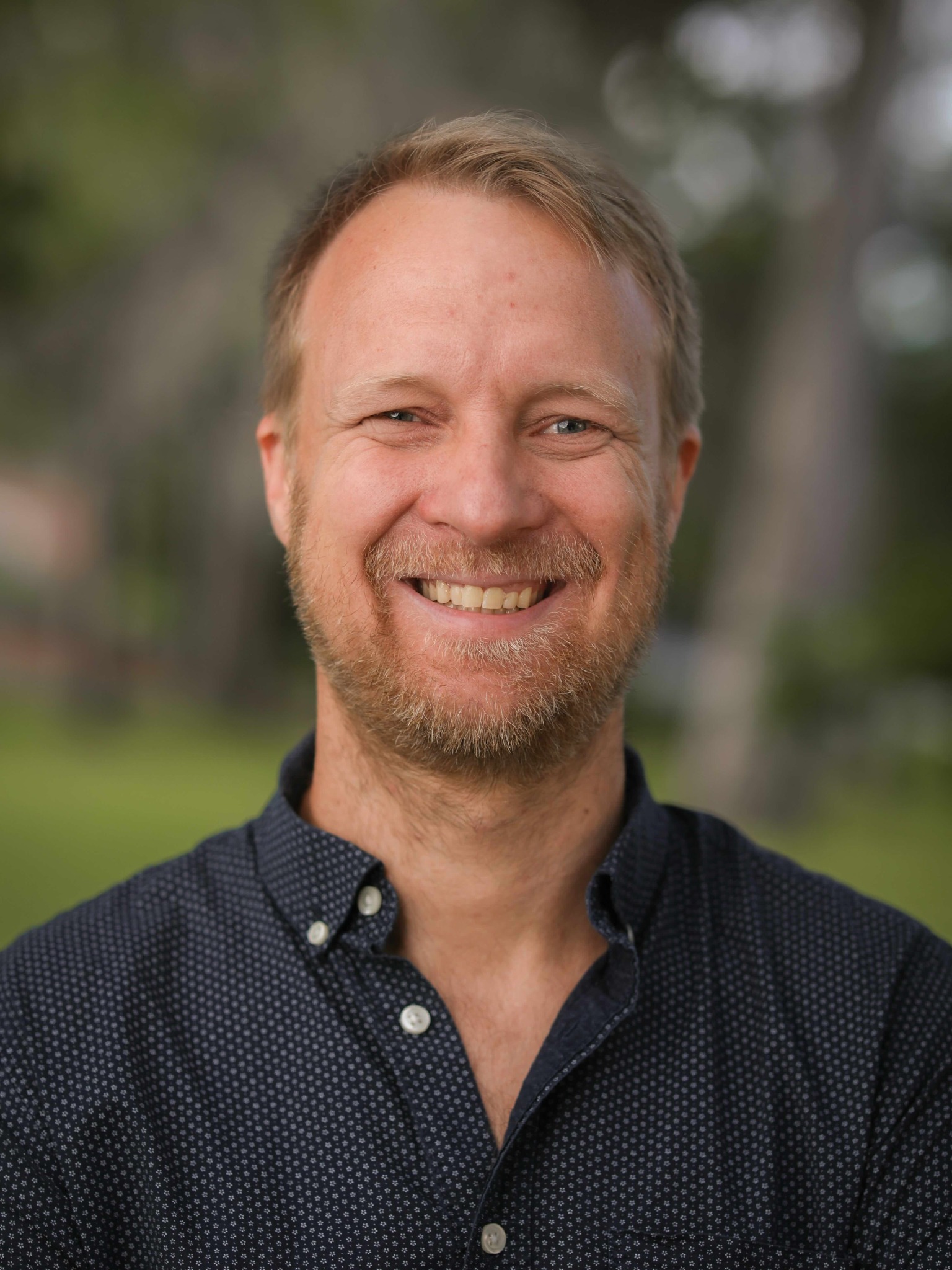
Moderator
Florida State University
Brennan Professor at FSU, working in geometric analysis, infinite-dimensional geometry, shape analysis, and applications to data science.
Profile →Questions before the community
The conversation will focus on the practical and intellectual consequences of rapidly improving AI systems for mathematical work.
Where are the genuine research capabilities, where are the limitations, and how quickly is the frontier moving?
How might taste, problem selection, conceptual understanding, creativity, and explanation evolve?
Which technical skills, habits of thought, and forms of collaboration are likely to matter most?
How should the community think about training, evaluation, opportunity, and the already fragile job market for mathematics PhDs?
Event details
Friday, September 25, 2026, at 1:20 PM Eastern Time. The event was held online.
Graduate students, postdoctoral researchers, faculty, educators, and anyone interested in how AI may reshape mathematical research, training, and careers.
A moderated conversation centered on current capabilities, near-term change, human mathematical practice, preparation for early-career researchers, and the research job market.
The panel recording is available on YouTube.
Recording available
The September 25 panel is now available to watch online.
Watch recording on YouTube